
GLOBAL SUCCESS
is the result of a clear concept
ADDED VALUE
is the result of our reliability
OUTSTANDING QUALITY
is the result of close cooperation
TRACEABILITY
is the result of full transparency
MUTUAL TRUST
is the result of strong business relationships
COMPREHENSIVE KNOWLEDGE
is the result of continuous research

Market Report Sunflower Kernels

Positive Crop Forecasts! – 24.08.2017

Senior farmer examining crop of sunflowers in field - market report sunflower kernels

Bulgaria:

The development of the new crop is still positive and farmers are anticipating a good yield. The official EU cultivation statistics mark a rise of the areas under cultivation of 2 percent compared to last year. Based on these 820,000 hectares and the average yield of between 2.20 MT and 2.50 MT per hectare there is expected a crop outcome of between 1.8 million MT and 2.0 million MT.

The export volume of Bulgarian sunflower seeds has reduced significantly in the past 5 years. At the same time the export share has dropped from 65 percent to nearly 55 percent. The higher added values in the crushing sector and the rising production volumes of hulling factories have been causing higher demand on the local markets.

Romania:

Also in Romania cultivated areas have increased by around 20,000 hectares compared to last season. With acreage of more than 1.04 million hectares it is by far the country with the biggest arable land in the EU. The climatic conditions are considerably less favorable than in the other Eastern European origins. In the past few years, periods of drought in spring or summer caused notably smaller yields per hectare. That’s why the average harvesting volume, despite the large area under cultivation, is mostly less than 2 million MT.

Ukraine:

According to market observers, the Ukrainian harvest is going to be very positive in spite of the typically seasonal heat. Since last season the acreage has again been extended and could exceed 6 million hectares. This combination has market participants looking forward to a crop size of way more than 14 million MT.

During the current season the export volume of the Ukrainian oil mills has significantly increased again. So far, in the season of 2016 / 2017, approximately 5 million MT of sunflower oil are said to have been exported. The main contractors such as India, the EU and China have an export volume of more than 70 percent all together.

Russia:

According to optimistic estimates, the Russian cultivated areas will be around 8 million hectares.

Governmental authorities indicate an increase of 300,000 hectares compared to last year – record levels once again. As a result, a crop volume of over 11 million MT is predicted if a yield per hectare of under 1.5 MT- just as last year – is achieved.

Russian sunflower-oil producers were able to increase their export volumes once more. By the middle of the year 3.6 million MT of sunflower oil have been exported. This is about 500,000 MT more than during the same period last year. With a production share of more than 80 percent, sunflower oil will remain the most important product.

Recommendation:

The positive outlook for the upcoming harvest, the stable market situation and the beneficial exchange rates lead to an unprecedented price level for buyers of sunflower kernels.  The Russian pricing for the raw product (inshell) and sunflower oil futures have slightly gone up in the past 4 weeks. The long term predictions for exchange rates are that there will be a downwards trend towards the end of the year (one important key point is the German election end of September). The prognosis for every main cultivation area is very positive. Nevertheless, yields still have to be achieved. Further development remains open.

Benefit now from the possibility to snap up the highly attractive current price level.

In short – our strengths:

  • Full crop period until September 2017/2018
  • New factory equipped with the latest technology – the new standard in Bulgaria
  • High quality standards (IFS)
  • Biggest physical raw material buyer in Bulgaria
  • Risk minimised – 2 factories at separate locations
  • Loyal business partnership
  • 100 percent contract fulfilment
  • First-hand market Information

Please do not hesitate to ask for our individual offer!


Tampico Trading – More than 30 Years of Success

“We only deal in a few well selected foodstuffs – but for these we are experts!”

EMail: c.dingfelder@tampico.de  | Tel.: +49 911 91 96 69-27

EMail: l.laue@tampico.de  | Tel.: +49 911 91 96 69-30

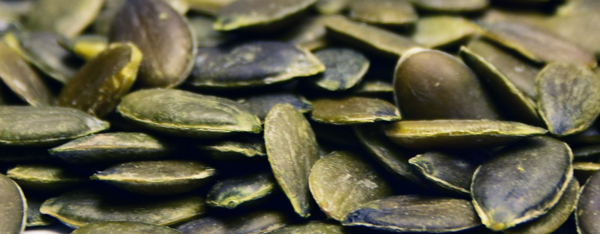
Market Report Pumpkin Kernels

What is happening on the market? – 22.08.2017

The fall in prices of pumpkin seeds increasingly made the farmers in China plant cotton and corn. In addition governmental subsidies for soy crops have led to an extension of soy acreage.

Shine Skin

Lots of acreage has been reduced in the northeast province Heilongjiang. Some market participants are speaking of about 70 percent in comparison to last year. The harvest is expected to start approximately at the beginning of October. There has been a decrease in cultivation of shine skin by 50 percent in the western part of Xinjiang province. The harvest will probably start at the end of August. Compared to the last season, cultivatable land has been extended by circa 30 percent in Inner Mongolia.

Snow White

In scattered regions Snow White seeds have been reduced by about 70 percent. Nevertheless this will have no impact on the availability of the crop size. This is due to a backlog of last year’s crop volume. Harvest is expected to start at the beginning of October.

GWS

Compared to last year the acreage has been reduced massively – some market participants are speaking of around 80 percent.

Summary

The main importers are the United States (US) on first and Iran on second place. The US market focuses mainly on grade AA qualities while Iran and the Arabian region are mainly looking for inshell-products for the roasted quality market. According to the market participants of China the notable reduction of the growing area is being caused by a fall in pumpkin kernel prices of last year’s crop. Due to the political situation in the US, the US-Dollar has lost value against the Euro. The predictions are that a strengthening of the Euro is very likely in the medium term. We assume a higher price level for this crop. This could be diminished by the development of the exchange rates.

If you are dependent on GWS, it might be reasonable to stock up at an early stage. We would recommend waiting to stock up on shine skin.

The market situation is still not very clear. We still remember the last ANUGA two years ago where the prices were jacked up but after the fair they immediately dropped. Some buyers and exporters in China are struggling with financial issues. It is not as easy as it used to be to borrow money from a bank. This is because the Central Government is very restrictive towards the shadow banking system. These market participants are interested in pushing prices up.

Your advantages directly from the origin:

  • Purity of 99.98 %
  • Long contract periods & secure delivery
  • Expertise in the origin for more than 30 years
  • NEW: Heat treatment in the origin

mission6

We are glad to work with you on an individual solution, customised to meet your requirements.

Please do not hesitate to contact us. We are looking forward to your Feedback.

mission6


Tampico Trading – More than 30 Years of Success

“We only deal in a few well selected foodstuffs – but for these we are experts!”

EMail: l.laue@tampico.de | Tel.: +49 911 91 96 69-30
EMail: marco.schneider@tampico.de  | Tel.: +49 911 91 96 69-24

Main Focus On Sunflowers – USDA Report

No suprises expected regarding sunflowers! – 20.07.2017

farmer  - USDA report sunflowerskernels

The current issue of the USDA (United States Department of Agriculture) report concerning sunflowers is not really surprising and corresponds to the positive statements coming from the Eastern European origins up to now.

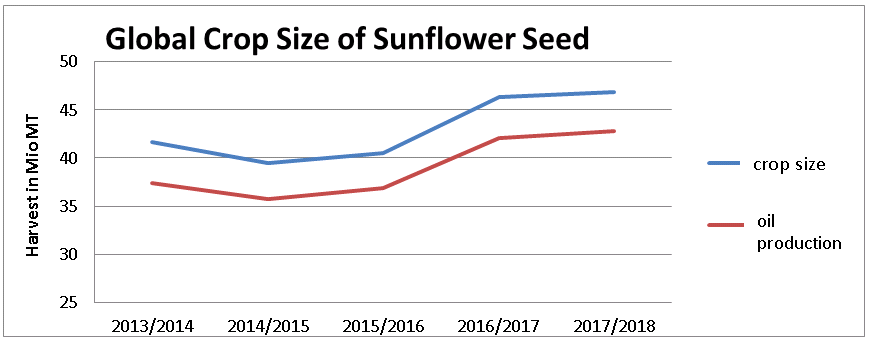
The estimated amount of the worldwide crop yield in June 2017 has been increased by about 240,000 MT up to 46,82 Mio MT despite a slight amendment (-40,000 hectares) of the acreage to 25.18 Mio hectares in 2017/2018.

This more positive evaluation is based mainly on the good development of the new crop in the Ukraine (now 14.5 Mio MT) and the higher export quantity in Moldova (+ 200,000 MT). The increase of the Moldovan exports must be subject to critical analysis as to this may be in line with the increase of the acreage/yield in Moldova.

Compared to the June report we are coming now from a reduction of 220,000 MT to a total crop yield of 8.38 Mio MT in the EU which is approx. 27,000 MT above the previous years’ value.

global crop size - USDA report sunflowerskernels

The strong global demand for sunflower kernels has led to increased investment in further capacities regarding oil mills for several years. About 90 % of the global crop is processed to sunflower oil, the USDA assumes about 18 Mio MT in season 2017/2018.

The leading producers Ukraine (about 6.02 Mio MT) and Russia (4.33 Mio MT) have continually increased their output. The USDA predicts a slight decline of 60,000 MT to 3.19 Mio MT sunflower oil in the EU (third largest producer).

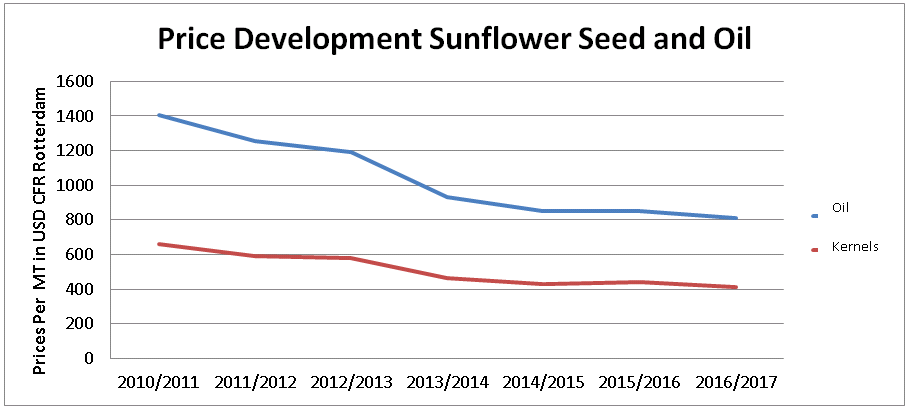
The prices of sunflower seed and oil have decreased steadily in recent years. During the same period soya and palm oil have become more expensive which is one of the reasons why sunflower oil is getting more competitive.

Price depelopment - USDA report sunflowers

Up to now this trend in prices for sunflower seed seems not to be a cause for concern for farmers in Eastern Europe as the acreage in the European Union remains stable and is even rising in the Ukraine and Russia. Good demand in the market by oil crushing mills and international suppliers means that they have been responsible for steady sales.

Oil crushing mills benefit from these good sales opportunities on the world market. Especially sales in the European Union are increasing. Declining oil notifications could be compensated by good raw material supply and parallel price development of the raw material.

Hulling processers are situated in this dynamic situation. They are facing conflicts such as expected prices by farmers, current prices and notifications for oil, the currency exchange rate fluctuations and customers’ ideas for prices of sunflower kernels. Due to strong competition in the market it is to be expected that there will be changes on the suppliers’ side.

Please do not hesitate to ask for an individual offer and additional Information!


Tampico Trading – More than 30 Years of Success

“We only deal in a few well selected foodstuffs – but for these we are experts!” 

EMail: c.dingfelder@tampico.de | Tel.: +49 911 91 96 69 27


What is happening on the linseed-market regarding the new crop? -> Learn more!!

Linseed: Crop Report 2017

What is happening on the linseed market regarding the new crop? – 17.07.2017

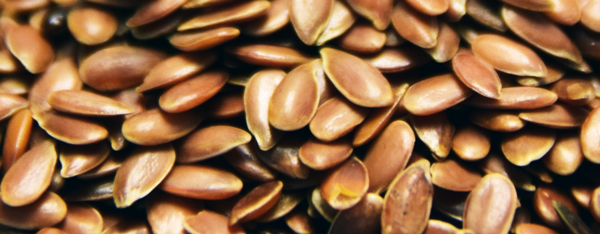
linseed

With regard to linseed the new crop in Central and Eastern Europe is not developing very positively due to the high humidity. It is expected that also in Eastern Europe/Russia the harvest will be later than usual. This is one major reason why the Russian suppliers are very reluctant with their offers for the new crop 2017. At present they have not submitted or have submitted only reluctantly any quotes for early shipments during the usual harvest season. First deliveries from Russia should arrive at Europe probably later than usual. The EU remains the most important market for Russian linseed with more than 50 % of exports even though the Chinese market becomes more and more important

As already mentioned the harvest is expected to be 3 – 4 weeks later in Kazakhstan, too, due to the late sowing. This goes along with yield losses higher than usual (10-20%). Kazakhstan will probably enter the market when the harvest is finished and we, therefore, cannot count on an early market relief.

The existing capital investment plans reflect the increasing orientation of Kazakhstan towards China. During the coming 10 years Chinese investors will put about 14 bn USD to more than 50 projects in Kazakhstan. In 2018 most of them will be probably finished, i.e. an oil mill for cold-pressed vegetable oils with a capacity of more than 300,000 MT oil seeds per year. The European oil producers are more and more concerned about these developments. Even though Europe has been the most important buyer with more than 50 % of exports of oil seeds from Kazakhstan up to now,

In view of prices, Canadian suppliers are still no alternative regarding goods from Eastern Europe. Furthermore, they are still not prepared to come to binding agreements with guarantees and liabilities towards European customers regarding goods without gen-modified organisms (GMO). Due to the orientation on the Chinese markets this has not been necessary up to now. The current opening up of the Chinese market for linseed by Kazakhstan and Russia should probably also lead to a higher competition among Canadian Producers.

Résumé:

  • The beginning of the harvest in Eastern Europe is assumed to be delayed.
  • Market participants expect a gap in availability of goods between the new and the current crop as the new crop will arrive delayed in Europe.
  • At the moment there are still enough quantities available out of the current crop (2016).
  • Checking actual goods in stock is advisable to identify and close possible lacks of goods during the shift of crops ahead.
  • The current price level is moderate.
  • A fast relief of the market is not expected due to a lack of competition.


Please do not hesitate to ask for an individual offer!


Tampico Trading – More than 30 Years of Success

“We only deal in a few well selected foodstuffs – but for these we are experts!”

EMail: c.dingfelder@tampico.de | Tel.: +49 911 91 96 69 27

Market Update

Sunflower Kernels, Linseed, Pumpkin Kernels – 04.07.2017

Market Update Sunflower Kernels, Linseed, Pumpkin Kernels

Sunflower Kernels

Meanwhile, the sowing in Eastern Europe has been finished and we are having a very favorable growth of the sunflower plants in the whole Black Sea region. Recently, the favorable climate conditions with sufficient rainfall and sunshine hours benefit this growth.

According to the USDA the acreage in the Black Sea region is estimated to be on the same level as last year and, in contrary to the previous estimates, for the Ukraine there is predicted even a further increase in the harvest quantity of 2017/2018. The Ukrainian Ministry of Agriculture officially assumes an increase of ca. 3 % of the acreage (ca. 5.560 ha).

As Russia reduced the export taxes for sunflower seed considerably upon the advice of the WTO, they already exported approx. 200.000 MT in the season 2016/2017. But now the fat and oil industry is running against this whereas they ask for the increase of the export taxes and even a complete ban of exports in order to insure the supply of the domestic industry. The voluminous expenditures in additional production capacities are a proof of these ambitous plans.

In the end the climate situation during the coming summer season will be decisive for the yield results in the Black Sea area. During the last few years there have been more and more periods of extreme heat and drought in this area which are the reasons for considerable yield cuts /profit cuts in all origins.

At present the oil production in Eastern Europe is stable and benefits from the weak US dollar which strengthens the exchange rates of the EURO and the Ruble. The production capacities of the existing oil mills have already exceeded the quantity of the acreage and are even extended furtheron. In the medium term there will probably be an increasing competition on the Eastern European raw material market. We expect that Russia as an important raw material supplier will turn more and more towards the Chinese market.

We can continue to offer crop 2017 at a very attractive and historically low level. Many customers already profit from following advantages:

  • Complete Shipping season 2017 / 2018
  • High purity of 99.98 %
  • New pallets included
  • New factory equipped with High-End technology starting with the new crop
  • High standard of certification
  • Absolutely competitive prices
  • High performance partners
  • 100 % of contract fulfillment
  • Physical security of raw material since it is one of the biggest buyers of raw material in Bulgaria
  • Independent market reports at first-hand
  • Serious consulting
  • Loyal business relationships

Market Update Sunflower Kernels, Linseed, Pumpkin Kernels

Linseed

It is questionable whether the price level of the current crop will fall significantly. The sowing was postponed for 2 to 3 weeks in Kazakhstan so it is likely that problems may occur when crop is harvested in autumn. Normally about 20% of the crop cannot be harvested before winter sets in. This product is actually only useful for the oil sector. One expects that substantially more crop can remain on the field (up to 50%) this season as harvest process is delayed due to the late sowing.

The Russian exporters have taken a very cautious approach to offers for current season by now. The persistent pesticide findings above the European limit values have led to a series of refusals. It can be assumed that for these reasons e.g. the Belgian buyers have already denied about 60,000 MT to 70,000 MT of Russian raw material (about 20% of the entire Russian average yield). A big part of this very cheap raw material finds its way into the EU nonetheless, partially via Polish cleaning factories without any appropriate monitoring of pesticides.

At the moment, this reluctance of Russian suppliers is noticeable even for new offers for the new crop of 2017. Due to new trade agreements, doing business in China has meanwhile become much easier and more interesting for Russian suppliers. Market participants assume that for the coming crop Russian suppliers will significantly turn towards the Chinese market as there is a much lower sensibility on this market regarding pesticides residues.

It is also assumed that Kazakhstan suppliers will enter the market relatively late. On the one hand to evaluate the actual crop yield in case of a late crop, on the other hand not to have a bad influence on the existing price level resulting from a competitive situation with Russian suppliers.

We can refer to a strict monitoring of pesticides and can therefore offer the necessary saftey to our customers – do not consider yourself satisfied with less! Of course, we provide you with the respective certificates of analyses for our goods – also individual analyses are possible.

We do already offer on basis of the new crop 2017 on an interesting price level. Do not hesitate to ask for an individual offer! These are your benefits:

  • Deliveries during the whole season 2017 / 2018
  • High-End factory equipped with the latest technology
  • Golden and brown linseed from one supplier, also mixed deliveries possible
  • Logistic with H1-Pallets
  • High standard of certification – ask for our current certificates!
  • Absolutely competitive prices
  • High performance partners
  • 100 % of contract fulfillment
  • Physical security of raw material
  • Independent first hand market reports
  • Serious consulting
  • Loyal business relationships

Market Update Sunflower Kernels, Linseed, Pumpkin Kernels

Pumpkin Kernels (Origin China)

Current crop:

Due to extremely rising prices during the last few weeks middlemen and producers have bought the rest of the available stock from the farmers. Market participants expect prices still to be stable or even increasing.

New crop:

Due to the considerable decline in prices in the past, in 2017 the acreage of pumpkin kernels has been reduced significantly (Xinjiang -50 to 70%, Inner Mongolia -30%, Nord-East -50%). With the support of the government the farmers are switching to other products i.e. cotton or soy where higher profit can be expected. In the Inner Mongolia they increasingly focus on the cultivation of Shine Skin kernels for the roasting market. GWS kernels will only be harvested in the northern part of Xonjiang.

Do not hesitate to ask for an idividual offer!


Tampico Trading – More than 30 Years of Success

“We only deal in a few well selected foodstuffs – but for these we are experts!”

EMail: l.laue@tampico.de | Tel.: +49 911 91 96 69-30
EMail: c.dingfelder@tampico.de | Tel.: +49 911 91 96 69-27

EMail: s.ludwig@tampico.de | Tel.: +49 911 91 96 69-19

EMail: marco.schneider@tampico.de | Tel.: +49 911 91 96 69-24

Sunflower Kernels Crop Estimation

Development and estimations for the crop of sunflower kernels – 30.05.2017

EU

The last summer 2016 in southeastern Europe was characterised by intense heatwaves especially in countries like Bulgaria and Romania. Sunflower seed production has been affected by these exceptional summer conditions.

According to the current estimation of USDA the total sunflower seed acreage of the European Union will go up in the growing season 2017 compared to season 2016. Especially in the major cultivation countries like Bulgaria, France, Romania, Hungary, Italy, Germany, Portugal and Slovakia you can see the increase.

The sunflower seed cultivation is profitable for the farmers due to a good developing demand from the oil crushing sector. The situation is positively influenced by the good and stable yields per hectare.

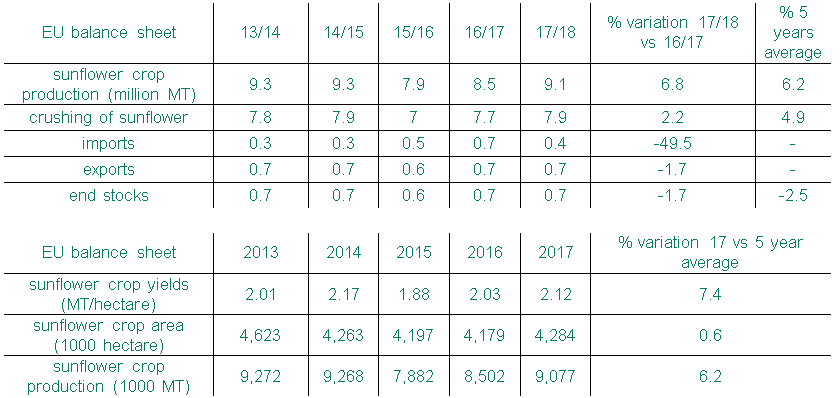
sunflower kernels crop, statistics

In anticipation of favorable weather conditions, according to the EU forecast the production of sunflower seeds is estimated to rise for ca. 1.2% in comparison to the year before. Re-seeding of lost rapeseed area helps increasing the sunflower plantings. This result will be seen in export growth as well as in remaining strong crush use. Sunflower oil supply outlook is expected to be steady or growing in most of the EU member states. Stock reduction between 1 and 2 % is expected.

Bulgaria

Unusually hot and dry weather had a negative impact on sunflower yields during the last season 2016. At the same time Bulgaria had to face the coldest winter within the last 40 years. In January temperatures reached – 25°C.

Warmer weather was observed in February followed by rainfall in March which leads to favorable soil moisture for the planting of sunflowers. Rapeseed sowing in Romania and Bulgaria was damaged by frost during the winter months and it is clear that this crop cannot be compensated or recovered again.

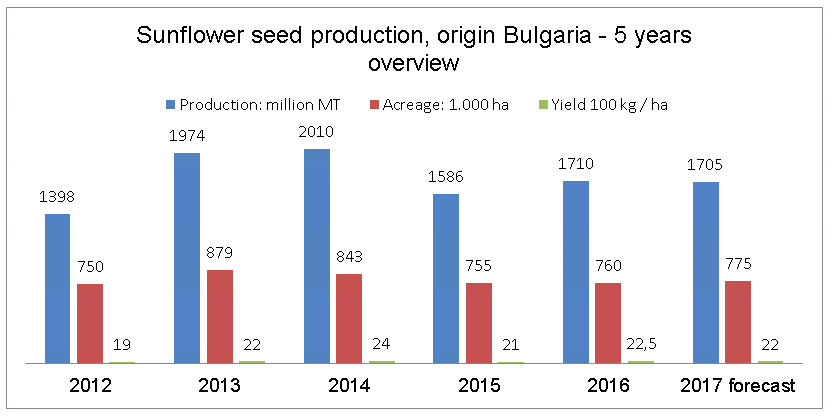
sunflower kernels crop, 5 years overview

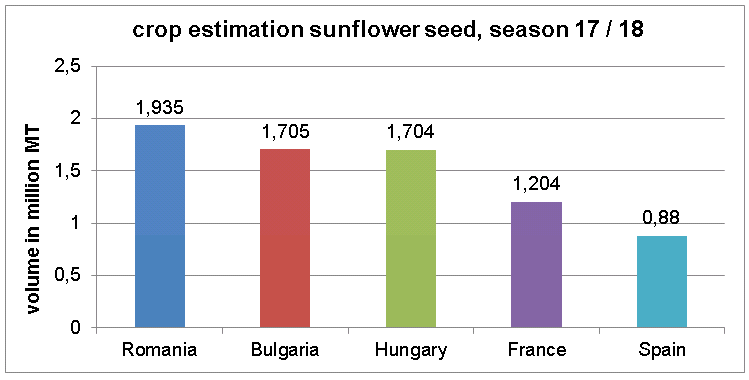
For the sunflower seed crop in 2017 we expect a slight increase of the acreage from 760 Khectares in 2016 to approximately 775 Khectares since farmers are re-seeding their rapeseed field in spring mainly with sunflowers. Due to favorable spring weather conditions farmers started sowing earlier this year. Yields are expected to improve the production for more than about 3% in case of favorable weather conditions.

sunflower kernels crop, crop estimation season 17 / 18

sunflower kernels crop, forecast

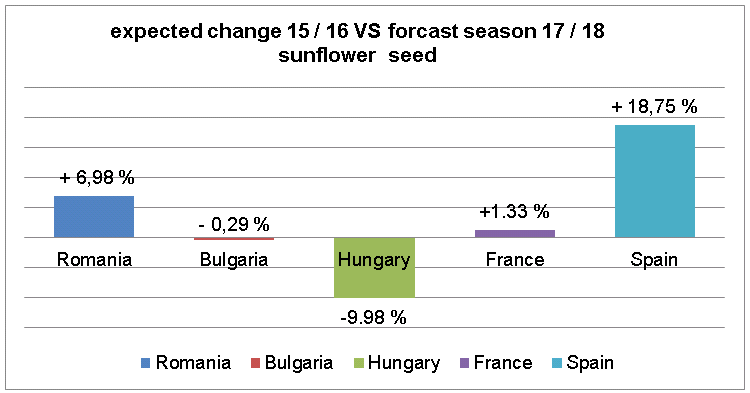
Hungary achieved a record yield of 2.9 MT per hectares in the previous season and expects a decline or normalization to 2.7 MT per hectare for the crop 2017. For those countries which were affected by hot climate condition last year a recovery of the yields is predicted (Bulgaria, France, Romania and Spain).

Romania

Romania seed production has been revised down similar to Bulgaria due to hot summer conditions and the lack of water during the 2016 crop. The foreseen increase in production will be caused by planting of more sunflower areas.

There is a forecast up to 1,075 Th hectares in comparison to crop 2016 with a balance of 1,000 Khectares. The average yield is expected to remain on a constant level of 1.8 MT per hectare as in the previous year. As a result an estimated production of 1.93 million MT is predicted for crop 2017. Similar good weather conditions during spring as in Bulgaria have lead to improved soil moisture.

High Olec sunflower plantings will be expected to drop below 100.000 hectare since higher price levels did not offset the lower yields of production last year. With view of the new season a slight increase of sunflower oil production up to 338 KMT is predicted. 90% of the production of sunflower oil is used for food purpose.

Less profitable crushing margins due to strong market competition of Black Sea countries lead to a stronger focus on export of sunflower seed to EU countries. Crush volume is not in line with crushing capacities despite a 10 % higher estimate of domestic crushing.

Ukraine

The production of sunflower seed will probably decrease by about 18 % to 11.2 million MT compared to last season 16/17 with the exceptionally result of 13.7 million MT. Acreage will be reduced to 5,200 Khectares in comparison to 6,000 of crop 2016. The crop yield 2017 will be seen slightly above a 5 year average of about 2.22 MT per hectare.

At the beginning of May 65 % (3490 Khectares) of sunflower area was sown. This is a deficit of ca. 3% to 4% prior last year.

This season less planting of sunflower will be balanced by an increase of 19 % of soybean. Almost the whole sunflower crop has been crushed domestically during the last decade. An export duty of 16 % for sunflower seed still remains and will not change the picture of crushing volumes in the upcoming crop. In line with the reduced estimated production crush volumes will be seen at a level of 10.9 million MT.

Moldova

Fair conditions for crop planting were observed for sunflower planting. We do not expect any change in acreage which will remain on a level of 260 Khectares. The very positive crop development in 2016 was caused by a yield of 1.8 MT per hectare and will not be predicted in the same range for this season.

Production outlook is estimated to be 455 KMT, a reduction of 468 KMT to last year level due to a reduced yield of 1.75 MT per hectare.

Russia

Under normal weather conditions the production increase is forecasted to be at 1 % compared to the previous season. 11 million MT of sunflower seed production in 2017 (10.8 million MT in 2016) will be the product of an estimated yield of 1.54 MT per hectare (1.51 MT / ha in 2016) multiplied by 7,400 Khectares of acreage of crop 2017 (7,500 Khectares in 2016). The development of yields per hectare is highly depending on given weather conditions.

Sunflower seed still dominates total oilseed production in Russia. Sunflower planting brings farmers in Russia higher returns due to stable demand on the domestic market even with the balance of lower yields. Successive plantings of sunflower year after year exhaust the soil and lead to higher risks of pest infestation. This is known as a reason for the planting of more and more sunflower seeds as official announcement by authorities in order to compensate any issue that may occur.

10.4 million MT are estimated to be crushed in 17/18 with an output of ca. 4.3 million MT of sunflower oil. Crushing capacities are still increasing as the total domestic consumption is announced to be 10.9 million MT. Ca. 2.15 million MT are expected to be consumed in the domestic market.

In the end when looking at the new sunflower crop 2017 a very attractive price level is observed in the European market. Industrial customers as well as wholesalers are currently covering big parts of their annual demand as a result of this apparently very attractive price level. At present the most favorable last year’s price level can be seen in the market. This, of course, leads to an active market at this very early stage of season. We recommend covering your demand for crop 2017 now!

In case of any questions please do not hesitate to contact us. We would be glad to submit you an offer.


Tampico Trading – More than 30 Years of Success

“We only deal in a few well selected foodstuffs – but for these we are experts!”

EMail: l.laue@tampico.de | Tel.: +49 911 91 96 69 30


Sesame

Learn more about our Sesame! – 05.05.2017

General Information

Sesame Seed (Sesamum indicum L.) is one of the eldest well-known and used oil seed of human history. The first document mentioning the name “sesame seed” for the first time is about 4.000 years old. It was found in the area between Euphrates and Tigris.

Products

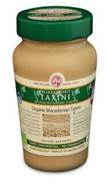
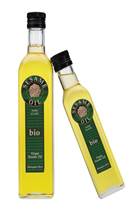
In addition to the natural sesame seed (which is not hulled) and the hulled sesame seed there are also Tahini, a kind of sesame butter, and Halva, which is sesame butter enhanced with sugar, as well as sesame oil and sesame flour.

tahini - Sesame sesame oil halva - sesame

Qualities

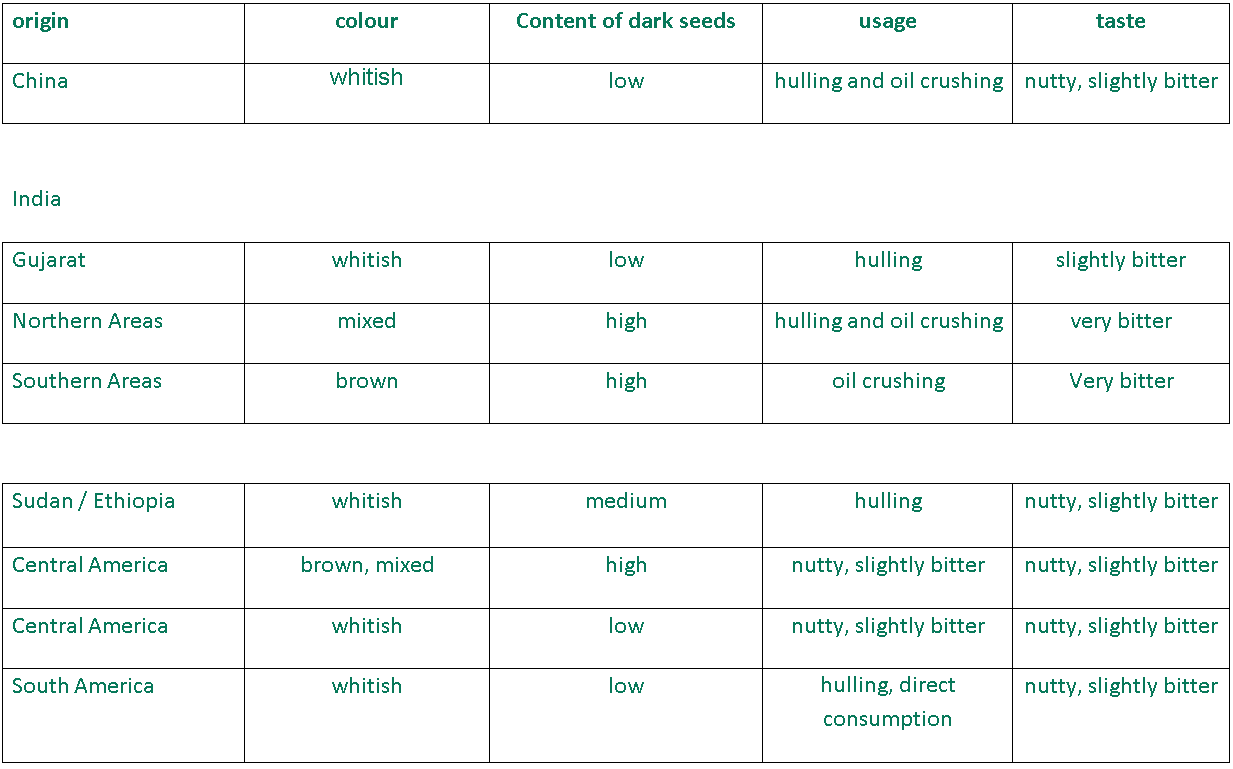
Differences in quality of the natural sesame are due to the origin of the raw material, the colour and taste, the proportion of dark kernels in the seed, the oil content, the purity of the seed as well as the percentage of chemical and microbiological contaminations.

With regard to the hulled sesame seed the differences in quality may result from the origin of the raw material, the process of hulling and drying, the colour and taste, the proportion of dark kernels and those which are not hulled, the purity of the seed as well as from the percentage of chemical and microbiological contaminations.

Areas of Cultivation

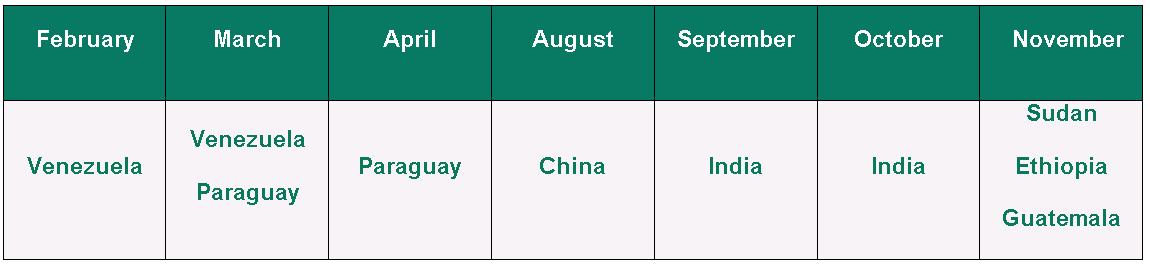
The main areas of cultivation are Africa (Sudan, Ethiopia and Nigeria), India and China as well as Central America (Mexico, Guatemala and Nicaragua) and South America (Venezuela, Paraguay, Bolivia and Peru).

Cultivation of Sesame

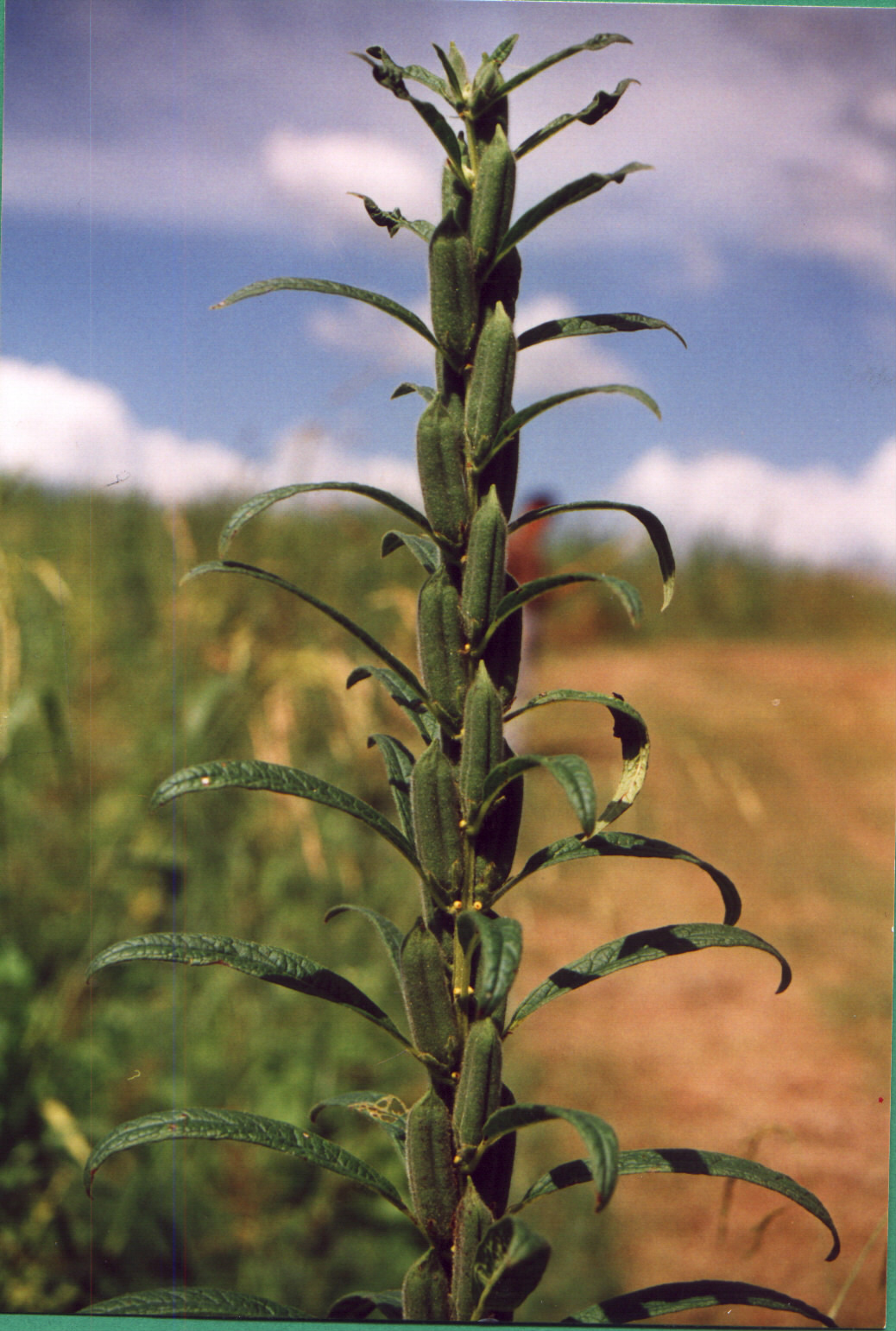
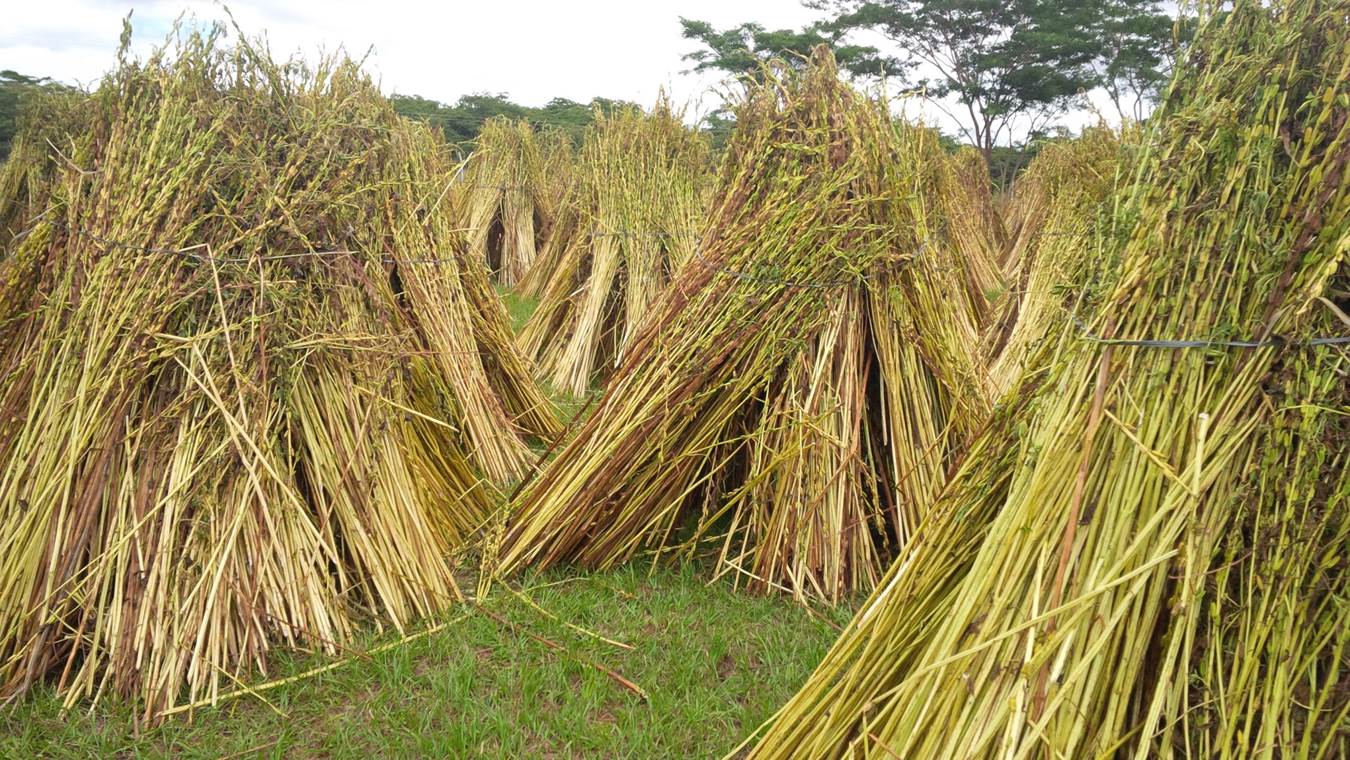
Sesame generally grows in subtropical countries with valiantly strong periods of rain or drought. The sesame is cultivated once per year when the seed is given into humid soil. Under ideal weather conditions the sesame plant does reach an approximate height of about 150 cm after approx. 90 days’ growth and is then ready for harvest. Harvesting means the plant is being cut at the bottom of the stem by hand and bundled headfirst on the field to forbs for drying. After 2-4 weeks the sesame capsules burst and the content is spread on planes on the field by hand.  The average yield is about 400-500 kg per hectare.

sesame plant sesame yield

Crop Periods

crop periods sesame

Colour and Taste

colour and taste Sesame

Delivery and Delivery Periods to Germany (Port Hamburg)

Our sesame seed out of the different countries of origin is shipped in paper bags or big bags, loosely stowed or palletized in a 20’ or 40’ container. The shipping period takes about 25-30 days from India and 30-40 days from Africa, China and South- / Central America.

Deliveries from Greece already arrive in Germany after one week palletized on a truck.

Learn more about our products!

Please do not hesitate to ask for more information and an individual offer!


Tampico Trading – More than 30 Years of Success

“We only deal in a few well selected foodstuffs – but for these we are experts!”

EMail: d.pelikan@tampico.de | Tel.: +49 911 91 96 69 27


Laser-Scanner

Series of Sorting Plants / Detection Methods, Part 2 – 27.04.2017

Optical sorting in general:

Optical sorting means the automated sorting process of solids by using cameras and / or laser-scanner. This technology is capable of distinguishing objects by colour, size, shape, structural characteristics and chemical composition. The possibilities depend mainly on the respective equipment with sensors and respective image processing programs, as well as camera resolutions.

In general, the mode of operation is based on the individual and precise definition of rejections and conform products. Thus, these fractions can be identified, distinguished, and defects as well as impurities can be rejected.

The mode of operation also differs according to the type of product feed-in. The most common types use canals, free-fall systems or conveyor belts. In general, all products up to the size of whole potatoes can be sorted; the capacity of the sorting technique is between 1-2 MT up to 40 MT per hour.

The Laser-Scanner

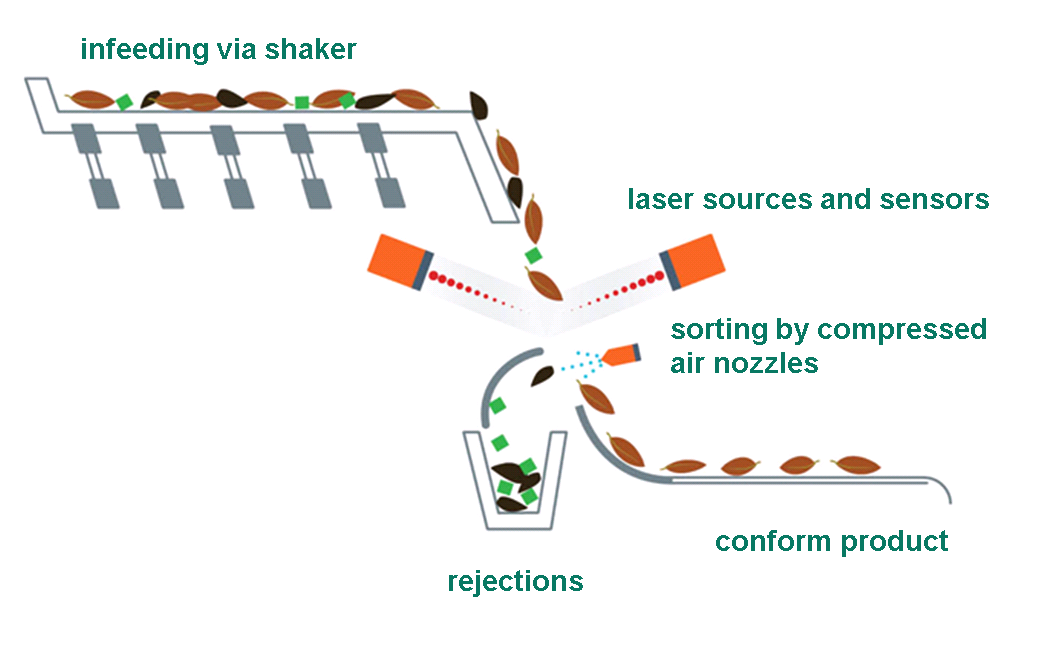
laser-scanner mode of operation

Mode of Operation:

Pure laser sorting machines have laser sources and corresponding sensors, which are able to detect not only colour deviations but also the structural characteristics of the material to be sorted; contrary to the use of cameras, which work on the principle of reflection. The application spectrum of lasers is also determined by the specific setting of the optical wavelength used in the visible and invisible spam.

Laser scanners are particularly suitable for the separation of foreign particles which are similar in colour to the conform product. In addition to the food sector, the recycling sector is a major application for this Technology.

The mode of operation of most models is based on the principle of free-fall. The product to be sorted is evenly fed to a chute in a shaking motion and thus it is brought to the target trajectory. Conform product and possible foreign bodies pass the laser source in free fall and the measured values are recorded via sensors and the information is evaluated within fractions of a second. In case of a detected foreign body, this is then separated from the material stream of the conform product by means of compressed air nozzles.

Spectrum: deviations in shape, structure, colour, size to the conform product

Extended Spectrum: chlorophyll content, humidity, damages, foreign bodies (plastics, glass, metal, shells, kernels etc.), microbiological characteristics

Not detectable: above mentioned materials below limits of detection as well as materials with identical colour, shape, size and structure the same as the conform product.

Learn more about X-Ray-Scanners!


Tampico Trading – More than 30 Years of Success

“We only deal in a few well selected foodstuffs – but for these we are experts!”

EMail: c.dingfelder@tampico.de | Tel.: +49 911 91 96 69 27

Market Information Sunflower Seeds April

Increasing acreage for sunflower seed – 20.04.2017

According to the current estimation of USDA (United States Department of Agriculture) the total sunflower seed acreage of the European Union will go up in the growing season 2017, compared to season 2016. Especially in the major cultivation countries like Bulgaria, France, Romania, Hungary, Italy, Germany, Portugal and Slovakia you can see the increase. The sunflower seed cultivation is profitable for the farmers due to a good developing demand from the oil crushing sector. The situation is positively influenced by the good and stable yields per hectare.

Rapeseed sowing in Romania and Bulgaria are damaged by frost during the winter months and it is clear that this crop can not be compensated or recovered again. So it is expected  that the farmers take a substitutional sowing of sunflower seeds into consideration. This may lead to a higher sunflower seed cultivation area in both countries of origin than initially estimated.

As far as the climatic conditions in the 2017 cultivation season are beneficial, the USDA is forecasting an increase in the EU sunflower seed cultivation area of 1.10%, which would mean a further rise in the total crop volume of about 1.20% to 8.50 million MT in 2017.

Please do not hesitate to ask for an individual offer!


Tampico Trading – More than 30 Years of Success

“We only deal in a few well selected foodstuffs – but for these we are experts!”

EMail: c.dingfelder@tampico.de| Tel.: +49 911 91 96 69 27

X-Ray-Scanner

Series of Sorting Plants / Detection Methods, Part 1 – 28.03.2017

The requirements for product safety are increasing in general and thus also the need to identify relevant risks in food production and to integrate suitable control mechanisms and measures such as an X-Ray-Scanner. These existing risks should be eliminated or minimized as far as possible. Nowadays, the technical development offers the producers a variety of different solutions for various tasks. In this series we would like to give an overview of the available possibilities and explain their mode of operation.

The X-Ray-Scanner

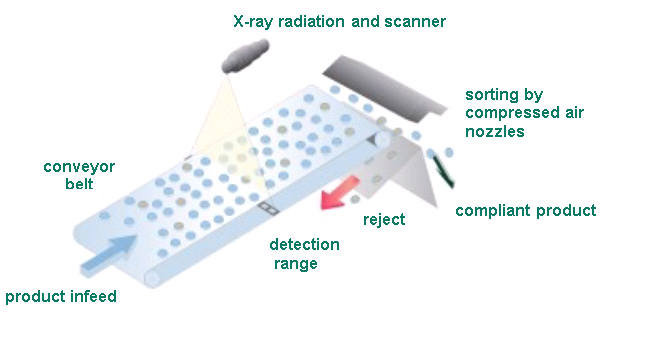
X-Ray-Scanner

Mode of Operation:

The product is being brought through the source of radiation on a conveyer band. Radiation permeates the goods and can detect differences in the absorption and penetrability of radiation in intensity, shape, and size. Also the radiation (intensity and type of radiation) is being precisely adjusted to the product which has to pass the sortex machine. The setpoint is defined through individual values of absorption of the conform product. All results which deviate from this setpoint are being blown out by compressed air nozzles at the end of the conveyor belt. This is to have a minimum loss of product with maximum sorting accuracy.

Spectrum: Glass, stones, metal, high-compressed plastics, shells and kernels if applicable.

Undetected: Wood, bones, organic particles, plastics and above mentioned materials below the detection limits and materials with identical absorption values

Detection limits (deviating depending on manufacturer and model):

Stainless steel: 1mm

Copper and other metals (except aluminium): 1,5mm

Glass / porcelain: 3-4mm

Duroplastic plastics: 10mm

Optional equipment variations: depending on manufacturer, shape and size detections are implementable

Please do not hesitate to contact us if you should have any questions!


Tampico Trading – More than 30 Years of Success

“We only deal in a few well selected foodstuffs – but for these we are experts!”

EMail: c.dingfelder@tampico.de| Tel.: +49 911 91 96 69 27